How PEMF Therapy Complements Chiropractic Adjustments
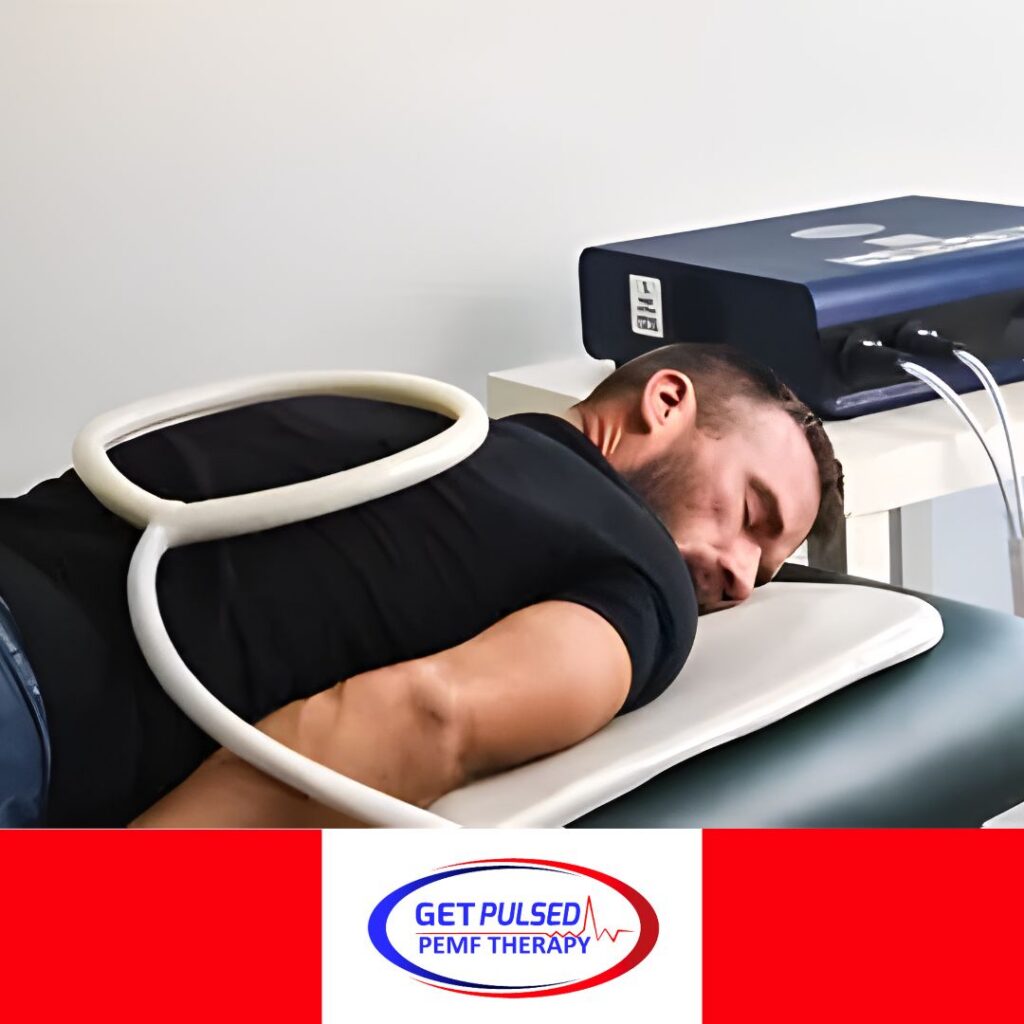
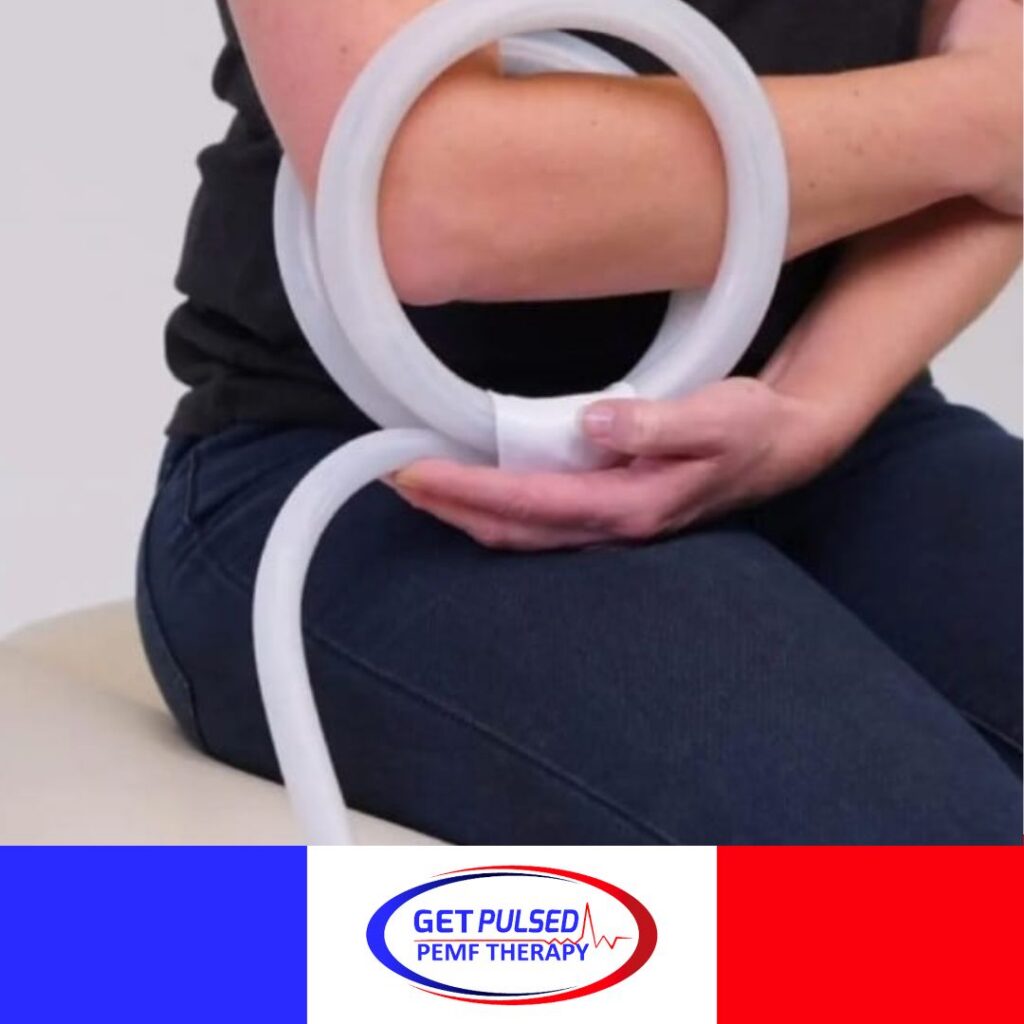
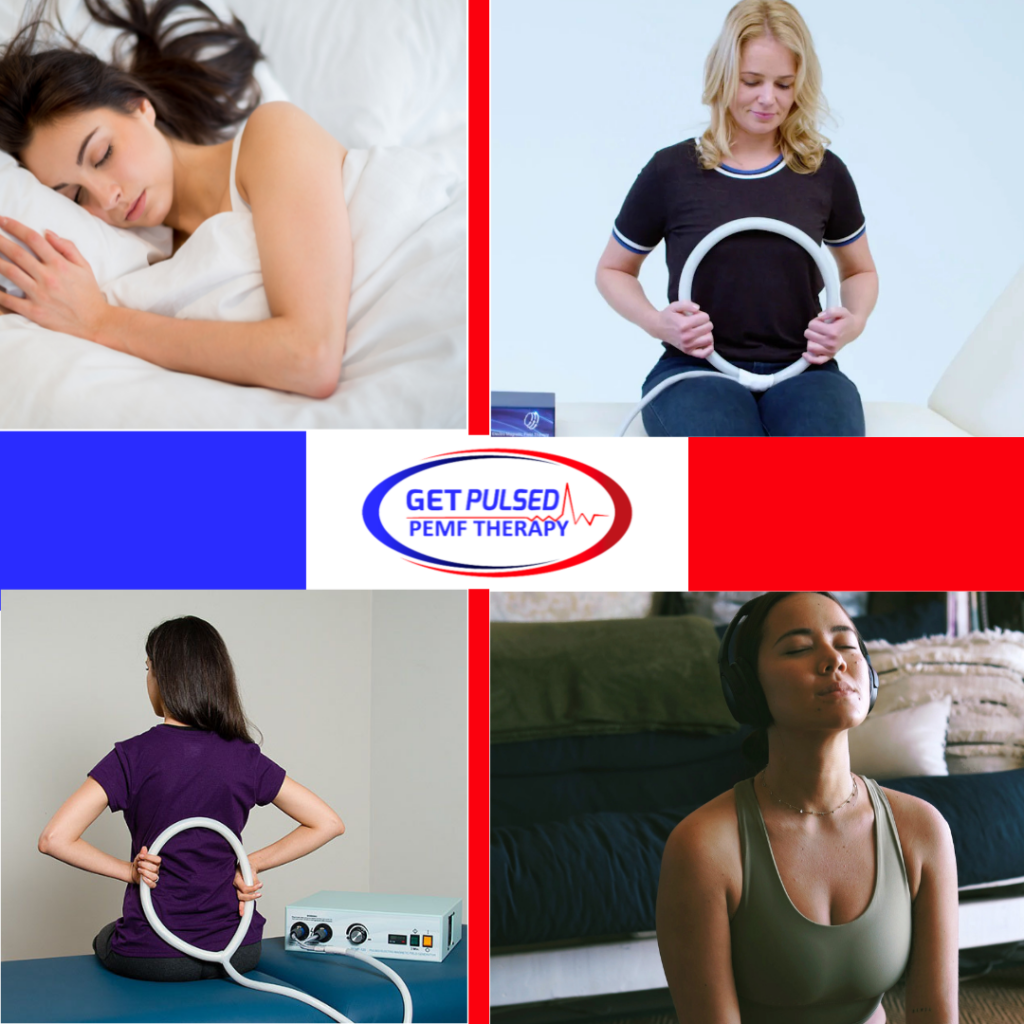
How PEMF Therapy Complements Chiropractic Adjustments Using PEMF Therapy Alongside Chiropractic Care Chiropractic adjustments excel at restoring proper spinal alignment, improving nervous system function, and alleviating joint stress. However, chronic inflammation, muscle spasms, and localized tissue damage can sometimes slow down recovery. This is where Pulsed Electromagnetic Field (PEMF) therapy steps in as an ideal partner. By combining chiropractic and PEMF, practitioners can address both structural alignment and cellular repair, offering patients a faster path to long-term pain relief and wellness. What Research Says PEMF technology is grounded in decades of biological research. FDA-cleared applications include bone healing, depression, and post-operative edema. Research demonstrates that pulsing electromagnetic fields stimulate cellular metabolism and enhance microcirculation. To dive deeper into peer-reviewed literature, explore our clinical Research Articles. Understanding Chiropractic Adjustments Chiropractic adjustments focus on realigning the spine and joints to reduce pressure on nerves and restore range of motion. When a vertebra is misaligned, it disrupts neural communication, leading to pain and muscle tension. While physical manipulation restores structural mechanics, surrounding soft tissues—like muscles, ligaments, and tendons—often remain inflamed and tight. If left unaddressed, these tight tissues can pull the spine back out of alignment over time. What Is PEMF Therapy? PEMF therapy delivers low-frequency electromagnetic waves that stimulate cellular repair. Think of it as recharging cellular batteries: the magnetic pulses increase blood circulation, promote oxygenation, and reduce inflammation at a deep tissue level. By enhancing the body’s natural healing mechanisms, PEMF therapy targets the micro-trauma in muscles and connective tissue that standard physical manipulation alone may not fully resolve. How They Work Together Using PEMF after a chiropractic adjustment creates a powerful synergistic effect. When an adjustment aligns the joint structure, PEMF therapy immediately calms the surrounding soft tissue, relaxing tight muscles and reducing post-adjustment soreness. Incorporating PEMF chiropractic care ensures that tense muscles are less likely to pull newly aligned vertebrae back into bad posture, helping adjustments hold longer and accelerating overall tissue recovery. Typical Chiropractic Treatment Workflow Integrating both modalities into a patient’s routine is simple and efficient: Consultation: The practitioner evaluates joint alignment, pain levels, and soft tissue inflammation. Adjustment: The chiropractor performs targeted spinal manipulations to restore structural alignment. PEMF Session: The patient undergoes a targeted or full-body PEMF session to soothe muscles and stimulate cellular healing. Home Care: Patients maintain their progress with lifestyle advice, stretching, or home-use devices. Benefits for Chiropractic Patients Patients receiving combined care experience significant advantages: Faster Pain Relief: Reduced post-treatment soreness and quicker reduction of acute inflammation. Longer-Lasting Adjustments: Relaxed muscles mean the spine stays aligned longer between visits. Accelerated Soft Tissue Repair: Deep cellular stimulation speeds up healing in ligaments and tendons. Benefits for Chiropractic Clinics For clinic owners, offering PEMF therapy elevates patient care while expanding practice capabilities: Enhanced Outcomes: Faster recovery rates increase patient satisfaction, retention, and referrals. Passive Revenue: Patients receive high-value, passive therapy that requires minimal hands-on staff time. Market Differentiation: Distinguish your practice by offering cutting-edge wellness and cellular technology. Choose the Right Get Pulsed PEMF Device for Your Chiropractic Practice Selecting the right Get Pulsed PEMF device for chiropractors depends on your clinic’s treatment goals, patient volume, and practice style. If you need flexibility or provide mobile chiropractic services, our portable PEMF devices deliver powerful, targeted therapy wherever you practice. For clinics focused on comprehensive patient care, our full-body PEMF systems offer deep, whole-body stimulation to support recovery, reduce inflammation, and enhance overall wellness. Explore our PEMF devices for chiropractors to find the ideal system for your practice and help improve patient outcomes with advanced PEMF technology. In this section make sure its designed like other faq Sections Frequently Asked Questions About PEMF Therapy for Chiropractic Care Should I use PEMF before or after an adjustment? While both options offer benefits, using PEMF after a chiropractic adjustment is often ideal. It relaxes tight muscles, reduces acute inflammation, and helps hold the spinal alignment in place. Can chiropractors offer PEMF? Yes, many chiropractors integrate PEMF therapy into their clinics to complement spinal adjustments and offer passive, non-invasive treatment options. How long are sessions? A typical PEMF session lasts between 15 and 30 minutes, depending on the patient’s condition and the equipment used. Can patients use PEMF at home? Yes, portable and home-use PEMF devices allow patients to maintain cellular wellness and pain relief between chiropractic visits. Is PEMF safe? PEMF is safe, non-invasive, and FDA-cleared for various health applications. It produces no major side effects, though individuals with pacemakers or pregnant women should consult a physician prior to use. Ready to Elevate Your Practice? Combining spinal care with cellular therapy gives patients the ultimate healing environment. Explore our range of professional clinical systems at GetPulsed.org today to transform patient outcomes and grow your practice! While both options offer benefits, using PEMF after a chiropractic adjustment is often ideal. It relaxes tight muscles, reduces acute inflammation, and helps hold the spinal alignment in place. Yes, many chiropractors integrate PEMF therapy into their clinics to complement spinal adjustments and offer passive, non-invasive treatment options. A typical PEMF session lasts between 15 and 30 minutes, depending on the patient’s condition and the equipment used. Yes, portable and home-use PEMF devices allow patients to maintain cellular wellness and pain relief between chiropractic visits. PEMF is safe, non-invasive, and FDA-cleared for various health applications. It produces no major side effects, though individuals with pacemakers or pregnant women should consult a physician prior to use. Combining spinal care with cellular therapy gives patients the ultimate healing environment. Explore our range of professional clinical systems at GetPulsed.org today to transform patient outcomes and grow your practice! Take the Next Step in Your Wellness Journey Ready to separate myth from reality and revitalize your wellness routine? Explore our full range of scientifically validated devices at getpulsed.org today to find your ideal cellular recovery solution!