PEMF Therapy for Chronic Back Pain (Featured Solution)
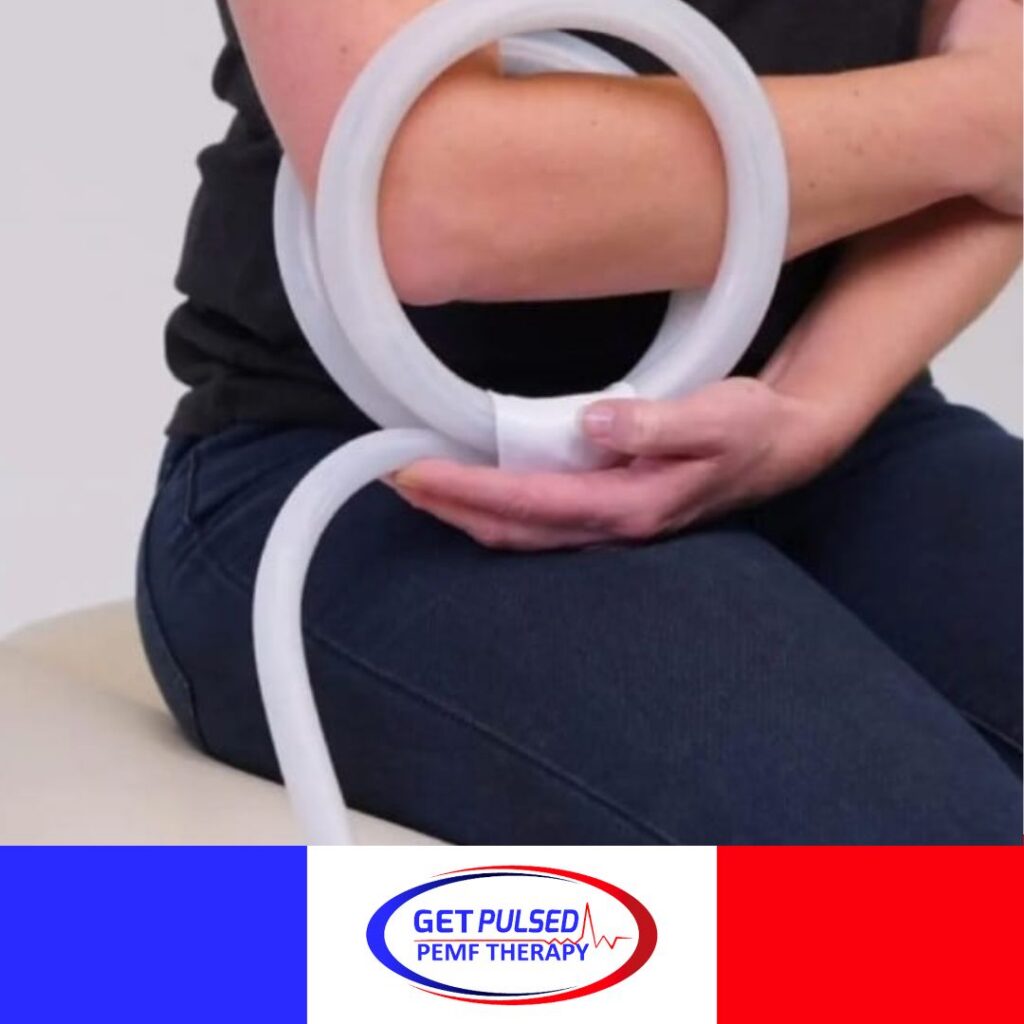
PEMF Therapy for Chronic Back Pain (Featured Solution) Chronic back pain can wear you down day after day. It can make it harder to sleep, exercise, work comfortably, or even enjoy simple moments like playing with your grandkids. That’s why more people are looking for natural relief for chronic back pain that doesn’t depend only on medication or endless appointments. PEMF therapy has become a featured solution because it offers a non-invasive back pain therapy option that fits into daily life. Instead of masking discomfort for a few hours, PEMF is often used to support the body’s natural recovery process at a deeper level. For people dealing with lumbar stiffness, soreness between the shoulder blades, or long-term tension, it may offer a practical at-home option. The Science of Spinal Recovery One reason PEMF for lower back pain stands out is that it is designed to reach deeper areas of the body than surface-level solutions like heating pads. A heating pad may feel soothing on the skin and upper muscle layers, but PEMF is used to influence tissue deeper in the back, where long-term discomfort often starts. This matters because chronic back pain is not always just about tight muscles. It can also involve inflammation, stress on joints, and tired tissue that does not recover as efficiently as it should. PEMF is commonly used to support circulation, relaxation, and recovery in areas that may feel locked up after a long day. That’s why many people place their PEMF devices for chiropractors directly against the lower back or between the shoulder blades. These are common zones where daily strain builds up, especially for people who sit for long hours, lift often, or wake up stiff every morning. The “Cellular Battery” Analogy A simple way to explain PEMF is to think of your cells like tiny batteries. When your back has been under stress for months or years, those cells may start acting like low batteries—sluggish, irritated, and less efficient. That can show up as stiffness, soreness, and reduced flexibility. PEMF is often described as helping “recharge” those tired cells. In marketing terms, that analogy works well because it helps readers picture why the body may need extra support. Instead of forcing the body to ignore pain, PEMF is positioned as helping the body function better so natural repair can happen more efficiently. This is especially appealing to people who want to reduce their dependency on pain medication. Many buyers are not just looking for short-term relief. They want to move more freely, get better rest, and return to normal activities without feeling like their back is running the show. Best Use Case for Daily Relief For chronic back pain, one of the best use cases is applying PEMF directly to the lumbar area. If tension sits higher up, placing the device between the shoulder blades may also be helpful. A common routine is using it in the evening for 20 to 30 minutes, especially before bed, when stiffness tends to feel worse. Many users prefer a medium-to-high setting when targeting deep tissue areas. The goal is to make PEMF part of a regular evening routine, much like stretching or winding down after a long day. Consistency is key. People often want a solution they can use at home without adding more clinic visits to an already busy week. This also supports one of the strongest conversion angles: cost. A one-time device purchase may feel more practical over time than paying for ongoing therapy appointments. For someone managing long-term discomfort, convenience and cost-effectiveness can be just as important as comfort. Why Buyers Are Paying Attention People searching for chronic back pain solutions usually have high intent. They are tired of temporary fixes and want something they can actually use. PEMF fits that search intent because it connects pain relief with bigger quality-of-life goals. When your back feels better, life feels bigger again. You may be able to walk longer, get back to light workouts, sleep more comfortably, and enjoy family time without constantly shifting around trying to get comfortable. That emotional outcome matters, and it should be part of the message. Is PEMF Right for Your Back Pain? If you’re looking for PEMF for lower back pain, a drug-free routine may be worth exploring. The biggest appeal is simple: it’s convenient, non-invasive, and built for people who want a practical way to support comfort and mobility at home. Ready to take the next step? Contact Get Pulsed today to learn which device may fit your needs best. Call (602) 828-4478 and get expert help choosing a PEMF solution for chronic back pain. Consistency vs. Intensity: What Matters More? A common fear is, “Am I doing this right?” or “Is this enough to work?” The answer, for most people, is that consistent, low- to medium-intensity use beats rare, heavy sessions. Why consistency wins: Your body responds to repeated gentle inputs over time Daily or near-daily use supports ongoing circulation and cell signaling It’s easier to recover from mild discomfort than from overdoing strong sessions Think of it this way: Better: 10–20 minutes, once or twice per day, most days of the week Worse: One very strong session every couple of weeks and nothing in between If a session leaves you wired, sore, or drained, you can simply dial back the intensity or shorten the duration. PEMF shouldn’t feel like a punishment; it should feel like a supportive nudge. When in doubt, start lighter and build up as your body adapts. If you’d like help finding that “sweet spot” between not enough and too much, the team at Get Pulsed can walk you through options. Just call (602) 828-4478. Frequently Asked Questions What is PEMF for chronic back pain? PEMF is a non-invasive back pain therapy that uses pulsed electromagnetic fields as part of an at-home wellness routine for comfort, recovery, and mobility support. Where should I place PEMF for lower back pain? The most common placement is directly against the lumbar area. Some