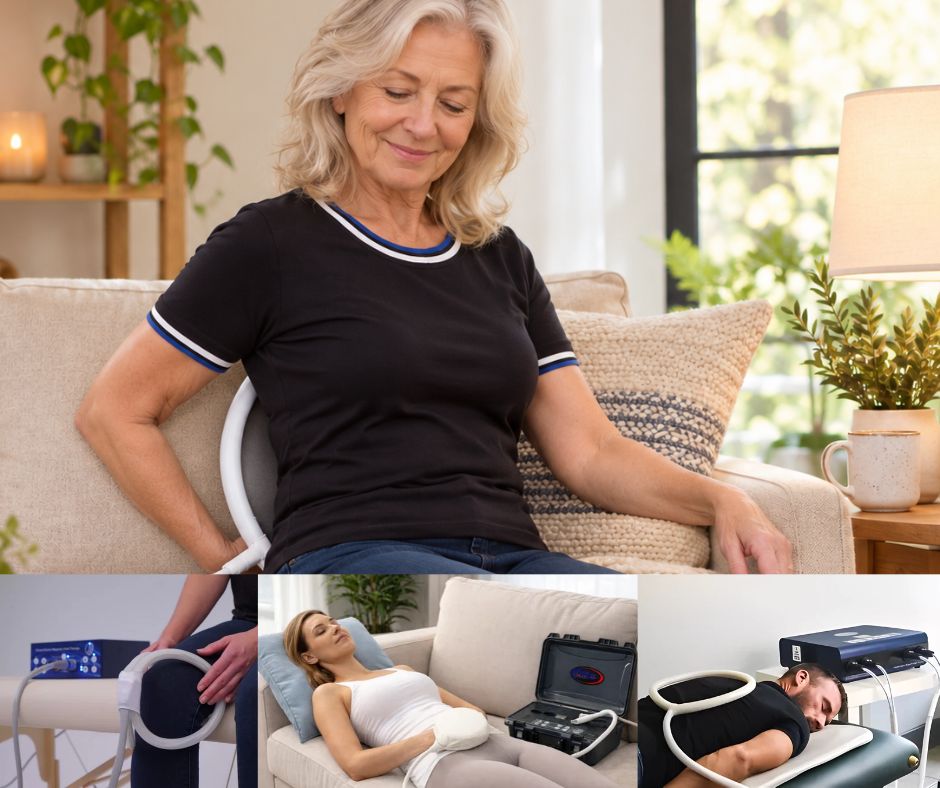
PEMF Therapy for athletes

the best pemf devices for home use
How PEMF Treats Pain, NASA and PEMF Therapy, PEMF devices for athletes, PEMF For Your Health, PEMF Therapy, PEMF Therapy for athletes

PEMF Frequency Explained: Hz, Gauss and Intensity – Copy

What Should You Look for When Buying a PEMF Machine? When buying a PEMF machine, look at how you plan to use it, its frequency and intensity ranges, the applicators included, ease of use, warranty, manufacturer support, and overall build quality. The right device is the one that fits your routine and your space, not simply the cheapest model or the one with the highest power rating. Here is how to compare your options. Determine How You Plan to Use Your PEMF Device Start with the setting. Your intended use narrows the field faster than any spec sheet. At-home wellness: simple controls and a compact footprint matter most. Targeted applications: smaller applicators such as pads, loops, or paddles focus on one area. Whole-body setups: full-length mats need dedicated floor or table space. Professional environments: look for durability, longer duty cycles, and a wider range of settings. Portable vs. stationary: portable units travel well, while stationary systems usually offer more power and options. Compare PEMF Frequency and Intensity Frequency, measured in hertz (Hz), is how many pulses the device delivers per second. Intensity, usually listed in gauss or tesla, describes the strength of the field. Both matter, but bigger numbers do not automatically mean a better experience. A wide adjustable range is often more useful than a high maximum.  Whole-Body PEMF vs. Targeted PEMF Whole-body systems use a mat you lie on, so the field covers a large area at once. Targeted devices concentrate the field on a smaller area through a handheld or wraparound applicator. Many buyers want both, and some systems support each. Our comparison of PEMF mats and targeted PEMF devices covers the trade-offs in detail. Look at Applicators and Accessories Check exactly what comes in the box. Two machines at a similar price can include very different applicators, so one may need extra purchases before it suits your needs. Ask which mats, pads, coils, or loops are included, which are sold separately, and whether the system can accept new accessories later. Consider Ease of Use and Controls A device you find confusing is a device you will stop using. Compare: Preset programs for quick sessions Adjustable settings for frequency, intensity, and time Controls that are clearly labeled and easy to read Setup time before each session Portability, including weight and storage Compare Manufacturer Support and Warranty A PEMF machine is a long-term purchase, so look into the company as carefully as the product. Review the warranty length and what it covers, how to reach customer support, the quality of the product instructions, and whether replacement parts and accessories are easy to order. Company reputation and independent customer reviews round out the picture. Don’t Choose a PEMF Machine Based on Price Alone The cheapest option may lack the range, applicators, or support you need, and the most expensive may include features you will never use. Weigh the whole system: specifications, accessories, warranty, and service. Our guide on what to consider before buying a PEMF device and the 2026 PEMF device buying guide can help you build a shortlist. Find the Right PEMF System With Get Pulsed Looking for a PEMF system for your home, wellness routine, or professional environment? Explore Get Pulsed PEMF devices to compare available systems, applicators, features, and configurations, and learn which options may best match how you plan to use PEMF. Frequently Asked Questions What should I look for when buying a PEMF machine? Look at your intended use, frequency and intensity ranges, included applicators, ease of use, warranty, customer support, and build quality. How do I compare PEMF machines? Line up the specifications side by side, then compare what each system includes, how it is controlled, and what support the manufacturer offers. Does PEMF frequency matter when choosing a machine? Yes. Frequency is a core specification, and an adjustable range gives you more flexibility than a single fixed setting. Is higher-intensity PEMF better? Not necessarily. Higher intensity suits some uses, but the best choice depends on your goals, comfort, and how you plan to use the device. Should I buy a PEMF mat or targeted device? Choose a mat for whole-body sessions and a targeted device for specific areas. Some systems offer both. How much should a good PEMF machine cost? Prices vary widely, from a few hundred dollars to several thousand, depending on power, applicators, and build quality. Judge value by the complete system. What questions should I ask before purchasing a PEMF device? Ask what is included, what the warranty covers, how support works, whether accessories can be added, and what the return policy is. Look at your intended use, frequency and intensity ranges, included applicators, ease of use, warranty, customer support, and build quality. Line up the specifications side by side, then compare what each system includes, how it is controlled, and what support the manufacturer offers. Yes. Frequency is a core specification, and an adjustable range gives you more flexibility than a single fixed setting. Not necessarily. Higher intensity suits some uses, but the best choice depends on your goals, comfort, and how you plan to use the device. Choose a mat for whole-body sessions and a targeted device for specific areas. Some systems offer both. Prices vary widely, from a few hundred dollars to several thousand, depending on power, applicators, and build quality. Judge value by the complete system. Ask what is included, what the warranty covers, how support works, whether accessories can be added, and what the return policy is.
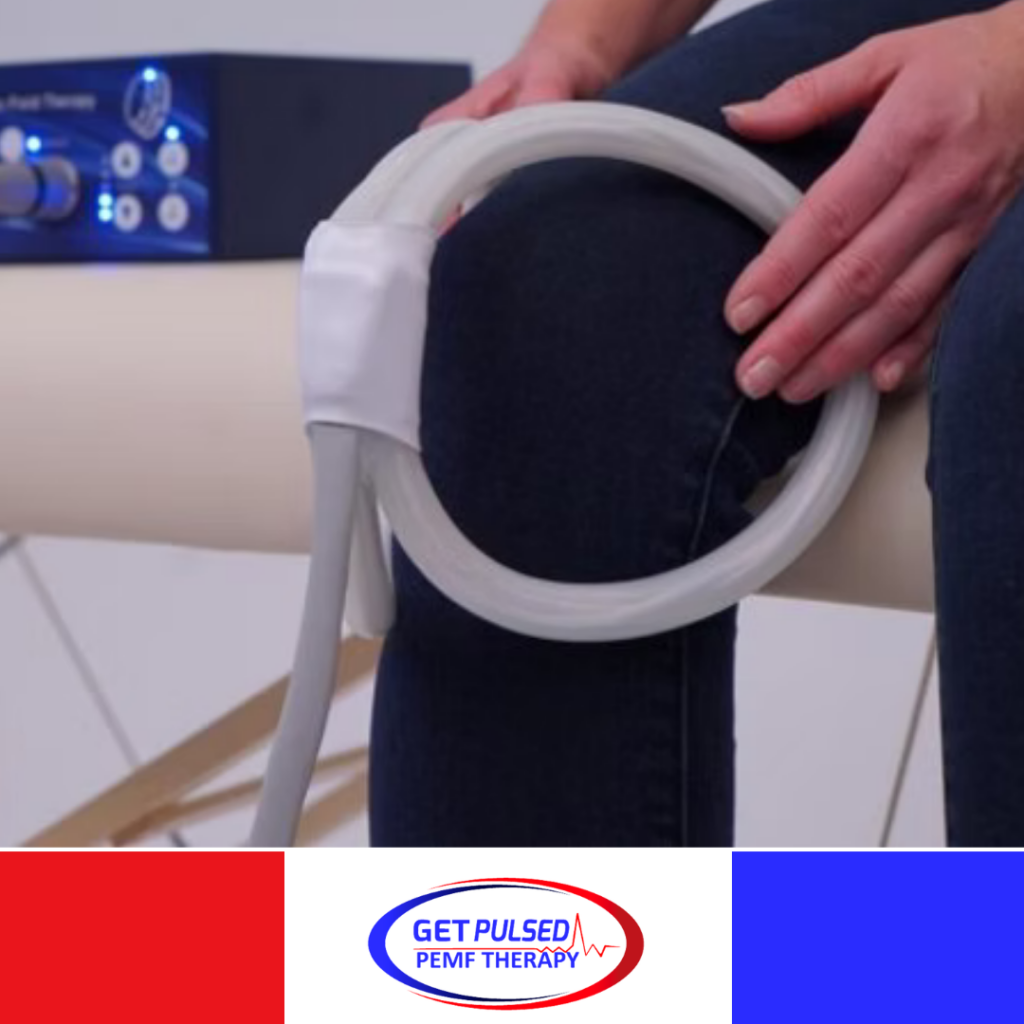
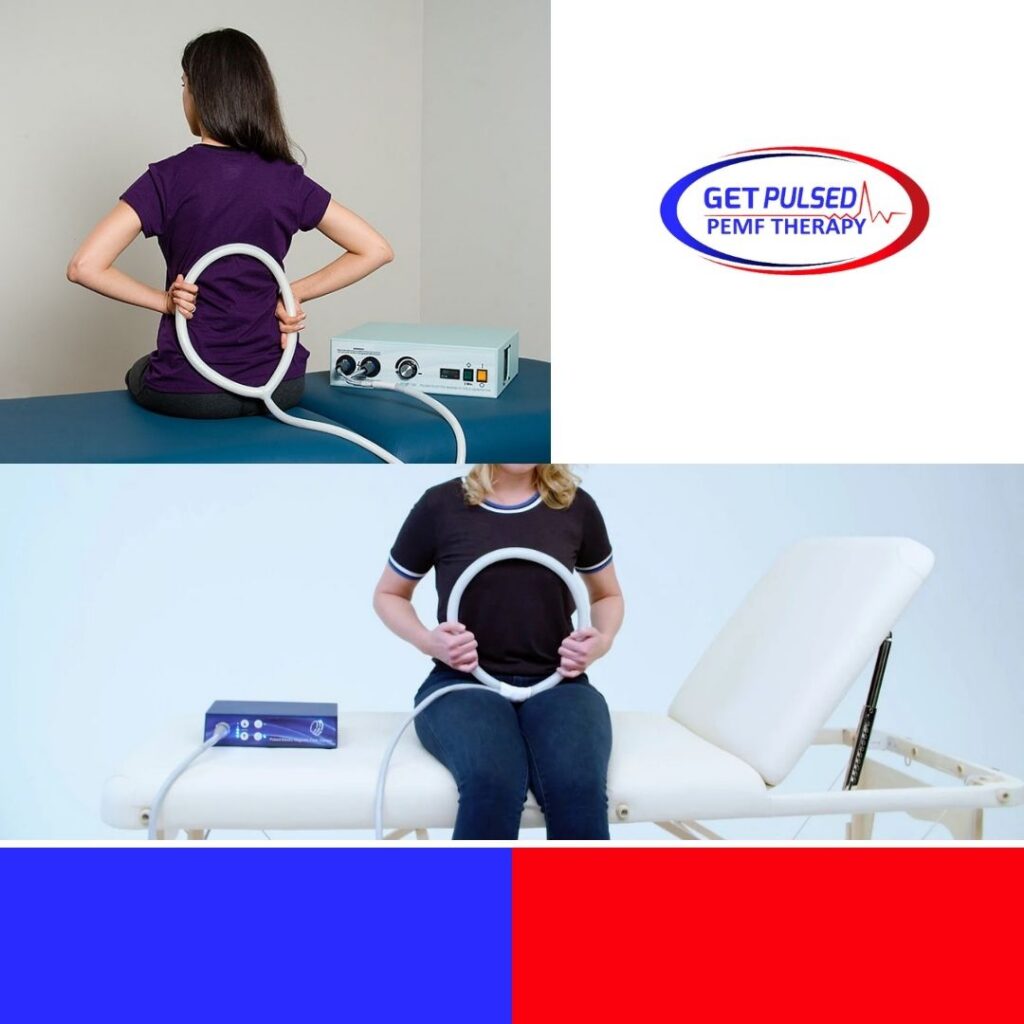
portable pemf device
How PEMF Treats Pain, NASA and PEMF Therapy, PEMF devices for athletes, PEMF For Your Health, PEMF Therapy, PEMF Therapy for athletes

PEMF Frequency Explained: Hz, Gauss and Intensity

PEMF Frequency Explained: Hz, Gauss and Intensity PEMF devices use pulsed electromagnetic fields, and specifications such as frequency, measured in hertz (Hz), and magnetic-field intensity help describe how a device operates. These measurements are different and should not be treated as interchangeable. Understanding the terminology behind your device is the first step toward optimizing your daily wellness routine and finding the right balance for your lifestyle. What Does Hz Mean on a PEMF Device? When exploring PEMF machine settings, the most common term you will encounter is “Hz.” In simple, everyday terms, Hz (hertz) means cycles per second. In the context of a wellness device, PEMF Hz describes the frequency—meaning it tells you exactly how often the electromagnetic pulses occur within a single second. If a device is set to 10 Hz, it is delivering 10 electromagnetic pulses per second. Different devices offer different frequency ranges to accommodate a variety of wellness routines. Because the human body responds to different rhythms depending on the time of day and the environment, having access to various frequencies can be beneficial. However, a common misconception in the wellness space is the idea that more is automatically superior. It is important to know that more Hz does not automatically mean “better.” A higher frequency simply means the pulses are happening at a faster rate, which might be suited for an energized morning routine, whereas a lower frequency might be preferred for evening relaxation. What Does Gauss Mean in PEMF? While hertz measures the rate of the pulses, gauss focuses on a different aspect of the energy. Gauss is a unit of measurement used to describe magnetic-field strength. To understand this without needing a degree in physics, think of PEMF gauss as a way to measure how concentrated or dense the magnetic field is when it is emitted from the device. It gives you a snapshot of the raw magnetic strength. Knowing the gauss measurement helps users understand the foundational power of the magnetic field, though it is only one piece of the puzzle when evaluating how a device supports general well-being. What Is PEMF Intensity? When setting up a routine, people often blur the lines between frequency and intensity, but these are two distinctly different specifications. To make it clear: Frequency (Hz) = How often the pulse occurs. Intensity (Gauss) = The strength or amplitude of the magnetic field. You can think of it like water flowing from a dripping faucet. The frequency is how many drops fall into the sink per minute. The intensity is the size, weight, and force of each individual drop. Both of these factors work together to determine how the pulsed electromagnetic field interacts with the body, which is why understanding both PEMF frequency and PEMF intensity is vital for a tailored wellness experience. Does Higher PEMF Intensity Mean Better Results? No, higher intensity is not automatically better. In fact, many successful wellness protocols rely on very low-intensity fields. A PEMF device should be evaluated holistically based on its overall design, intended application, available settings, and the manufacturer’s recommendations. Your personal wellness goals should dictate the type of device you use. Assuming that one specification—like maximum intensity—makes one machine inherently superior completely ignores how nuanced the body’s response to electromagnetic fields can be. A gentle, low-intensity system is often exactly what is needed for daily, sustained wellness support. Why Do PEMF Devices Offer Different Settings? Because bodies are complex and our daily needs fluctuate, high-quality machines provide a variety of PEMF frequency settings. Devices offer different settings to support: Different applications: Tailoring the device to support morning vitality versus nighttime unwinding. Targeted use: Adjusting the energy to focus on specific areas of the body. Personal preferences: Allowing individuals to find the level of stimulation they find most supportive and comfortable. Adjustable programs: Providing flexibility so that the device can adapt as your wellness goals change over time. Having adjustable settings ensures you get the most out of your system. For more guidance on evaluating features, read our guide on How to Choose the Best PEMF Device for Home Therapy. Understanding PEMF Specifications Before Buying Before purchasing a wellness tool, compare actual device specifications rather than relying on flashy marketing claims. Focus on PEMF frequency, Hz, gauss, and intensity so you can make an educated choice that fits your daily routine. By understanding what these specifications actually mean, you can confidently evaluate different brands and find a system that aligns with your specific needs. To compare top models and their specifications, explore The 2026 PEMF Device Buying Guide. Explore Get Pulsed PEMF Systems Want to better understand which PEMF system may fit your wellness routine? Explore Get Pulsed PEMF devices to compare available configurations, applications, and device features. Whether you need flexible PEMF frequency settings or a user-friendly system for everyday well-being, Get Pulsed can help you elevate your wellness journey. Frequently Asked Questions About PEMF Frequency and Intensity What does Hz mean in PEMF?  Hz (hertz) measures the frequency of the electromagnetic pulses. It tells you exactly how many pulse cycles occur per second on your device. What does gauss mean on a PEMF machine?  Gauss is a measurement of the magnetic field’s density and strength. It indicates how strong the magnetic field is when it leaves the applicator. What is the difference between PEMF frequency and intensity?  Frequency is the speed or rate of the pulses (measured in Hz), while intensity is the physical strength or amplitude of the magnetic field itself (measured in gauss). Is a higher PEMF frequency better?  No. A higher frequency only means the pulses are occurring faster. The ideal frequency depends entirely on your personal wellness goals and the intended application for that specific session. Is stronger PEMF always better?  No, higher intensity does not guarantee better results. The effectiveness of a system depends on its design, your individual comfort level, and following the manufacturer’s recommendations for use. Why do PEMF machines have different frequency settings?  Different settings provide flexibility. They allow

pemf therapy machine
How PEMF Treats Pain, NASA and PEMF Therapy, PEMF devices for athletes, PEMF For Your Health, PEMF Therapy, PEMF Therapy for athletes

How Long Should You Use a PEMF Device Each Day?

How Long Should You Use a PEMF Device Each Day? How long you should use a PEMF device each day generally ranges from 8 to 30 minutes per session, depending on your device, intensity settings, targeted application area, and personal wellness goals. Because pulsed electromagnetic field (PEMF) systems vary in technical design and signal strength, users should always follow the operational guidelines provided with their specific device. What Is a Typical PEMF Session Length? When exploring how long to use PEMF therapy, there is no single universal session length that fits every individual or piece of equipment. Instead, PEMF session length fluctuates based on several structural factors: Device Type: Full-body mats typically use lower intensity settings over 15 to 30 minutes, whereas localized spot applicators or paddle attachments are often used for shorter, targeted intervals. Intensity Settings: Higher intensity systems usually require shorter session durations, while low-intensity devices are designed for longer daily routines. Targeted Area: Applying signals to a specific joint or area may differ in duration from a full-body relaxation session. Manufacturer Protocols: Waveforms, frequencies, and power output levels vary across systems. Always refer to your user manual for safe operational protocols. Individual Routines: Personal preferences, comfort level, and daily schedules play a key role in customizing your daily timing. Can You Use PEMF Every Day? Yes, many individuals choose PEMF daily use as a regular component of their health and relaxation practices. Incorporating pulsed electromagnetic fields into a regular schedule provides consistent routine support for overall well-being. However, how often to use PEMF should always align with your personal comfort level, physical responses, and manufacturer guidelines. If you are wondering about optimal daily frequency and scheduling, check out our guide on When Should You Use PEMF Therapy Daily? to align your sessions with your daily habits. Should Beginners Start With Shorter PEMF Sessions? If you are new to electromagnetic wellness technology, PEMF for beginners usually starts with shorter, lower-intensity sessions. Beginning with 8 to 10 minutes gives you time to become familiar with the device’s control panel, intensity settings, and overall feel. As you get accustomed to operating the equipment, you can gradually build up toward standard recommended session lengths according to manufacturer instructions. Taking a measured, step-by-step approach helps you understand how different settings align with your personal comfort. To learn more about how these technologies function and operate, read our article on Understanding PEMF Devices. Morning or Evening: When Should You Use PEMF? There is no single “best” time of day to use a PEMF device. Instead, users can build a PEMF device routine based on their personal schedule and general wellness goals: Morning Sessions: Some users prefer setting up their PEMF routine early in the day to refresh their mindset and establish a grounded, focused environment for the day ahead. Evening Sessions: Others enjoy using low-frequency PEMF settings in the evening as part of a calming wind-down routine to encourage relaxation before bed. Choose a time slot that fits naturally into your existing daily schedule. How to Build PEMF Into Your Wellness Routine Establishing a sustainable PEMF device routine is straightforward when you keep practical habits in mind: Pick a Consistent Time: Select a daily window—such as right after waking up or while unwinding after work—that you can stick to consistently. Follow Manufacturer Instructions: Always review the operational manual for appropriate intensity levels, coil positioning, and maximum session durations. Learn the Controls: Take time to explore your device’s intensity modes, timer settings, and specialized attachments. Keep Track of Personal Preferences: Maintain a simple log noting session duration, time of day, and intensity levels to identify what feels best for you. Adjust the Routine Appropriately: Flexibly adjust your duration or settings as your daily schedule and general wellness preferences evolve. Explore PEMF Devices From Get Pulsed Looking for a PEMF system that fits your wellness routine? Explore the PEMF devices available from Get Pulsed and learn more about the different systems, features, and applications available to complement your personal lifestyle. Frequently Asked Questions About PEMF Session Length & Daily Use How long should a PEMF session last? A standard PEMF session typically lasts between 8 and 30 minutes, depending on the specific device model, intensity level, and targeted application area. Can I use PEMF every day? Yes, many users incorporate PEMF into their daily wellness routines following manufacturer instructions regarding daily session limits. How often should beginners use PEMF? Beginners are generally advised to start with shorter sessions (around 8 to 10 minutes) at lower intensity levels to become accustomed to the device before increasing duration. Can you use PEMF more than once per day? Yes, depending on device intensity and manufacturer guidance, some individuals choose to use their PEMF device 1 to 2 times daily as part of morning and evening routines. Is it better to use PEMF in the morning or at night? Neither is inherently better; morning sessions are ideal for establishing daily focus, while evening sessions support a calming wind-down routine. Choose the time that best fits your schedule. Does PEMF session length depend on intensity? Yes. Typically, higher-intensity sessions are kept shorter, while low-intensity, whole-body sessions can last longer based on manufacturer protocols. A standard PEMF session typically lasts between 8 and 30 minutes, depending on the specific device model, intensity level, and targeted application area. Yes, many users incorporate PEMF into their daily wellness routines following manufacturer instructions regarding daily session limits. Beginners are generally advised to start with shorter sessions (around 8 to 10 minutes) at lower intensity levels to become accustomed to the device before increasing duration. Yes, depending on device intensity and manufacturer guidance, some individuals choose to use their PEMF device 1 to 2 times daily as part of morning and evening routines. Neither is inherently better; morning sessions are ideal for establishing daily focus, while evening sessions support a calming wind-down routine. Choose the time that best fits your schedule. Yes. Typically, higher-intensity sessions are kept shorter, while low-intensity, whole-body sessions can last

best pemf devices fro sale
PEMF For Your Health, PEMF Therapy, PEMF Therapy for athletes

PEMF Therapy Myths vs. Facts: Separating Science from Fiction

PEMF Therapy Myths vs. Facts Pulsed Electromagnetic Field (PEMF) therapy has surged in popularity across wellness centers, athletic recovery hubs, and home health routines. However, with rapid popularity comes a flood of online misinformation and hype. Understanding the true PEMF facts versus fiction is crucial if you want to make informed health decisions. Misinformation often stems from confusion surrounding static magnetic therapy, aggressive sales tactics, and generalized wellness claims. Let’s break down the biggest PEMF misconceptions and highlight what science actually says. Myth #1: PEMF Is Just Magnets A common misconception is that PEMF therapy is no different from wearing static therapeutic magnets. While static magnets generate a constant, unmoving magnetic field, PEMF devices deliver dynamic, pulsing magnetic waves at specific frequencies and intensities. These gentle pulses induce micro-currents at the cellular level, stimulating cellular repair and recharge rather than just resting against the skin surface. Myth #2: Results Are Instant Many people wonder, does PEMF really work instantly? While some users report feeling a sense of relaxation or localized comfort right after their first session, PEMF is primarily a cumulative therapy. True cellular rehabilitation, reduced inflammation, and improved microcirculation take time. Expecting a single session to reverse chronic discomfort is like expecting one workout to build visible muscle. Myth #3: Higher Intensity Is Always Better It is easy to assume that stronger intensity equals faster results, but higher intensity isn’t always superior. The human body operates on subtle bioelectrical signals. Low-frequency, low-intensity fields often yield remarkable therapeutic outcomes by mimicking the body’s natural electromagnetic frequencies. Choosing the right power output depends on individual goals, health conditions, and sensitivity. Myth #4: PEMF Is Only for Athletes While elite athletes heavily rely on PEMF to speed up muscle recovery and enhance physical performance, the benefits extend far beyond sports medicine. Every day, individuals use it to improve sleep quality, manage joint stiffness, alleviate everyday stress, and support overall cellular vitality. PEMF is a versatile wellness tool designed for anyone looking to support cellular function. Myth #5: PEMF Devices Are All the Same Not all PEMF devices are created equal. Signal waveform, frequency range, intensity levels, and applicator designs vary significantly between products. A low-grade consumer mat operates very differently from a high-powered clinical unit. Before making a choice, exploring a comprehensive Buying Guide ensures you invest in a device tailored to your specific recovery needs. Myth #6: You Only Need One Session One of the top PEMF myths is that a quick trial session provides permanent relief. Cellular energy (ATP) production declines naturally over time due to stress, aging, and daily environmental wear. Maintaining consistent sessions yields the best long-term outcomes. Check out real-world PEMF Results to see how consistent protocols pay off over time. What Research Says PEMF technology is grounded in decades of biological research. FDA-cleared applications include bone healing, depression, and post-operative edema. Research demonstrates that pulsing electromagnetic fields stimulate cellular metabolism and enhance microcirculation. To dive deeper into peer-reviewed literature, explore our clinical Research Articles. How to Choose a Quality PEMF Device To avoid falling for marketing traps, focus on parameters backed by scientific research: flexible frequency settings, reliable build quality, clear warranty terms, and transparent specifications. Always consult with a qualified healthcare professional prior to starting any new wellness program. FAQs PEMF Therapy Myths vs. Facts: Know the Truth Before You Buy Is PEMF scientifically researched? Yes, PEMF has been studied for decades, with thousands of peer-reviewed clinical studies evaluating its impact on cellular health, bone union, circulation, and tissue repair. Does PEMF really work? Yes. By stimulating cellular energy production (ATP) and enhancing local blood circulation, PEMF supports the body’s natural cellular recovery processes. Is PEMF safe? PEMF is non-invasive and generally considered safe for most people when used according to manufacturer guidelines and recommended protocols. Can anyone use PEMF? Most people can safely use PEMF. However, individuals with implanted electronic devices (like pacemakers), pregnant individuals, or those with certain medical conditions should consult a doctor first. How often should I use it? Consistency is key. Most routine protocols recommend daily or 3–5 sessions per week, depending on individual wellness goals and device specifications. Yes, PEMF has been studied for decades, with thousands of peer-reviewed clinical studies evaluating its impact on cellular health, bone union, circulation, and tissue repair. Yes. By stimulating cellular energy production (ATP) and enhancing local blood circulation, PEMF supports the body’s natural cellular recovery processes. PEMF is non-invasive and generally considered safe for most people when used according to manufacturer guidelines and recommended protocols. Most people can safely use PEMF. However, individuals with implanted electronic devices (like pacemakers), pregnant individuals, or those with certain medical conditions should consult a doctor first. Consistency is key. Most routine protocols recommend daily or 3–5 sessions per week, depending on individual wellness goals and device specifications. Take the Next Step in Your Wellness Journey Ready to separate myth from reality and revitalize your wellness routine? Explore our full range of scientifically validated devices at getpulsed.org today to find your ideal cellular recovery solution!

best pemf devices for chiropractors (1)
PEMF For Your Health, PEMF Therapy, PEMF Therapy for athletes

How PEMF Therapy Complements Chiropractic Adjustments

Using PEMF Therapy Alongside Chiropractic Care Chiropractic adjustments excel at restoring proper spinal alignment, improving nervous system function, and alleviating joint stress. However, chronic inflammation, muscle spasms, and localized tissue damage can sometimes slow down recovery. This is where Pulsed Electromagnetic Field (PEMF) therapy steps in as an ideal partner. By combining chiropractic and PEMF, practitioners can address both structural alignment and cellular repair, offering patients a faster path to long-term pain relief and wellness. Understanding Chiropractic Adjustments Chiropractic adjustments focus on realigning the spine and joints to reduce pressure on nerves and restore range of motion. When a vertebra is misaligned, it disrupts neural communication, leading to pain and muscle tension. While physical manipulation restores structural mechanics, surrounding soft tissues—like muscles, ligaments, and tendons—often remain inflamed and tight. If left unaddressed, these tight tissues can pull the spine back out of alignment over time. What Is PEMF Therapy? PEMF therapy delivers low-frequency electromagnetic waves that stimulate cellular repair. Think of it as recharging cellular batteries: the magnetic pulses increase blood circulation, promote oxygenation, and reduce inflammation at a deep tissue level. By enhancing the body’s natural healing mechanisms, PEMF therapy targets the micro-trauma in muscles and connective tissue that standard physical manipulation alone may not fully resolve. How They Work Together Using PEMF after a chiropractic adjustment creates a powerful synergistic effect. When an adjustment aligns the joint structure, PEMF therapy immediately calms the surrounding soft tissue, relaxing tight muscles and reducing post-adjustment soreness. Incorporating PEMF chiropractic care ensures that tense muscles are less likely to pull newly aligned vertebrae back into bad posture, helping adjustments hold longer and accelerating overall tissue recovery. Typical Chiropractic Treatment Workflow Integrating both modalities into a patient’s routine is simple and efficient: Consultation: The practitioner evaluates joint alignment, pain levels, and soft tissue inflammation. Adjustment: The chiropractor performs targeted spinal manipulations to restore structural alignment. PEMF Session: The patient undergoes a targeted or full-body PEMF session to soothe muscles and stimulate cellular healing. Home Care: Patients maintain their progress with lifestyle advice, stretching, or home-use devices. Benefits for Chiropractic Patients Patients receiving combined care experience significant advantages: Faster Pain Relief: Reduced post-treatment soreness and quicker reduction of acute inflammation. Longer-Lasting Adjustments: Relaxed muscles mean the spine stays aligned longer between visits. Accelerated Soft Tissue Repair: Deep cellular stimulation speeds up healing in ligaments and tendons. Benefits for Chiropractic Clinics For clinic owners, offering PEMF therapy elevates patient care while expanding practice capabilities: Enhanced Outcomes: Faster recovery rates increase patient satisfaction, retention, and referrals. Passive Revenue: Patients receive high-value, passive therapy that requires minimal hands-on staff time. Market Differentiation: Distinguish your practice by offering cutting-edge wellness and cellular technology. Choose the Right Get Pulsed PEMF Device for Your Chiropractic Practice Selecting the right Get Pulsed PEMF device for chiropractors depends on your clinic’s treatment goals, patient volume, and practice style. If you need flexibility or provide mobile chiropractic services, our portable PEMF devices deliver powerful, targeted therapy wherever you practice. For clinics focused on comprehensive patient care, our full-body PEMF systems offer deep, whole-body stimulation to support recovery, reduce inflammation, and enhance overall wellness. Explore our PEMF devices for chiropractors to find the ideal system for your practice and help improve patient outcomes with advanced PEMF technology. Frequently Asked Questions About PEMF Therapy for Chiropractic Care Should I use PEMF before or after an adjustment? While both options offer benefits, using PEMF after a chiropractic adjustment is often ideal. It relaxes tight muscles, reduces acute inflammation, and helps hold the spinal alignment in place. Can chiropractors offer PEMF? Yes, many chiropractors integrate PEMF therapy into their clinics to complement spinal adjustments and offer passive, non-invasive treatment options. How long are sessions? A typical PEMF session lasts between 15 and 30 minutes, depending on the patient’s condition and the equipment used. Can patients use PEMF at home? Yes, portable and home-use PEMF devices allow patients to maintain cellular wellness and pain relief between chiropractic visits. Is PEMF safe? PEMF is safe, non-invasive, and FDA-cleared for various health applications. It produces no major side effects, though individuals with pacemakers or pregnant women should consult a physician prior to use. Ready to Elevate Your Practice? Combining spinal care with cellular therapy gives patients the ultimate healing environment. Explore our range of professional clinical systems at GetPulsed.org today to transform patient outcomes and grow your practice! While both options offer benefits, using PEMF after a chiropractic adjustment is often ideal. It relaxes tight muscles, reduces acute inflammation, and helps hold the spinal alignment in place. Yes, many chiropractors integrate PEMF therapy into their clinics to complement spinal adjustments and offer passive, non-invasive treatment options. A typical PEMF session lasts between 15 and 30 minutes, depending on the patient’s condition and the equipment used. Yes, portable and home-use PEMF devices allow patients to maintain cellular wellness and pain relief between chiropractic visits.PEMF is safe, non-invasive, and FDA-cleared for various health applications. It produces no major side effects, though individuals with pacemakers or pregnant women should consult a physician prior to use.Combining spinal care with cellular therapy gives patients the ultimate healing environment. Explore our range of professional clinical systems at GetPulsed.org today to transform patient outcomes and grow your practice!

pemf deviaces for athletes
PEMF For Your Health, PEMF Therapy, PEMF Therapy for athletes

Biohacking & Athletic Performance Recovery

Biohacking & Athletic Performance Recovery PEMF vs Red Light Therapy for Muscle Recovery When people search for the best post-workout recovery tech, two treatments come up again and again: PEMF and Red Light Therapy. Both are popular in the world of athlete biohacking, but they work in different ways. If you’re wondering, “Is PEMF better than Red Light Therapy for muscle recovery?” the short answer is this: it depends on what your body needs most after training. PEMF, or Pulsed Electromagnetic Field therapy, is often used to support deeper recovery by helping the body recharge at a cellular level. Red Light Therapy is more often discussed for surface-level support, especially when the goal is to calm areas that feel overworked after intense activity. That’s why many athletes compare the two when looking for better muscle soreness relief. How PEMF Supports Recovery PEMF is often seen as a strong option for athletes who want more than a basic recovery routine. Instead of only focusing on what’s happening near the skin, PEMF is often positioned as a tool for deep tissue cellular recharge. That messaging can be powerful when speaking to active adults, fitness enthusiasts, and serious athletes. Many people turn to PEMF therapy when they want a simple, drug-free way to support their recovery routine. It fits naturally into conversations around post-workout recovery tech, especially for people who train hard, lift often, or deal with ongoing muscle fatigue. From a content angle, PEMF also gives you a strong differentiator. Rather than competing only on general wellness language, you can position it as a more targeted recovery solution for people who want deeper support after exercise. Where Red Light Therapy Fits In Red Light Therapy fits into muscle recovery as a more targeted, surface-level option. It uses red and near-infrared light to support recovery in specific areas, which is why it is often used for post-workout comfort and localized muscle soreness. Compared with PEMF, Red Light Therapy is usually seen as the better fit for people who want focused support rather than a deeper full-body recovery approach.  PEMF vs Red Light Therapy: Which Is Better? If you’re choosing between PEMF and Red Light Therapy for muscle recovery, the better option depends on the type of support you need. PEMF is often seen as the better choice for deeper recovery because it is commonly positioned as a tool for full-body cellular support, especially after intense training or ongoing muscle fatigue. Red Light Therapy is more often associated with surface-level recovery needs, such as helping calm overworked areas and supporting post-workout comfort. In simple terms, PEMF may be the stronger option for athletes who want deeper recovery support between hard training sessions, while Red Light Therapy may be a better fit for people looking for more targeted, surface-level relief. If your audience is searching for muscle soreness relief, faster recovery, and smarter athlete biohacking tools, this comparison gives them a clearer way to decide which recovery method matches their goals. Get Pulsed Recovery Support If you’re looking for a smarter way to support recovery, reduce downtime, and upgrade your routine with advanced recovery technology, Get Pulsed can help. Explore our PEMF therapy options or contact Get Pulsed today to learn more about the right recovery solution for your goals. Call Get Pulsed at (602) 828-4478 to ask questions, book a session, or find the best recovery option for your needs. Frequently Asked Questions About PEMF vs Red Light Therapy for Recovery & Performance Is PEMF better than Red Light Therapy for muscle recovery? PEMF is often positioned as the better choice for deeper recovery support, while Red Light Therapy is usually discussed for surface-level recovery needs. What is the best post-workout recovery tech? The best post-workout recovery tech depends on your goals. Many athletes compare PEMF, Red Light Therapy, compression, and other non-invasive recovery tools. Does PEMF help with muscle soreness relief? PEMF is commonly used by active people looking for added muscle soreness relief and a more complete recovery routine. Is Red Light Therapy good for athletes? Yes, many athletes use Red Light Therapy as part of their wellness and recovery plan, especially when they want an easy, non-invasive option. Why is PEMF popular in athlete biohacking? PEMF fits well with athlete biohacking because it is often used by people who want recovery tools that go beyond stretching, rest, and hydration. Where can I book PEMF therapy? You can learn more or schedule with Get Pulsed by visiting the contact page or calling (602) 828-4478. PEMF is often positioned as the better choice for deeper recovery support, while Red Light Therapy is usually discussed for surface-level recovery needs. The best post-workout recovery tech depends on your goals. Many athletes compare PEMF, Red Light Therapy, compression, and other non-invasive recovery tools. PEMF is commonly used by active people looking for added muscle soreness relief and a more complete recovery routine. Yes, many athletes use Red Light Therapy as part of their wellness and recovery plan, especially when they want an easy, non-invasive option. PEMF fits well with athlete biohacking because it is often used by people who want recovery tools that go beyond stretching, rest, and hydration. You can learn more or schedule with Get Pulsed by visiting the contact page or calling (602) 828-4478.

best pemf devices for home use
PEMF Therapy, PEMF Therapy for athletes

How to Choose the Best PEMF Device for Home Therapy

How to Choose the Best PEMF Device for Home Therapy Choosing the best PEMF device for home therapy starts with understanding your health goals, the area you want to treat, and how you plan to use the device day to day. A well-chosen system from Get Pulsed can provide convenient, drug-free support for pain relief, recovery, and overall wellness right in your home. How Do You Choose a PEMF Device? Choosing a PEMF device depends on several factors, including treatment area, portability, frequency settings, and ease of use. Some devices provide full-body therapy through mats, while others focus on targeted areas using portable applicators. Think about who will use the device and how often. If multiple family members will share it, a versatile PEMF therapy machine with adjustable intensity levels and simple presets from Get Pulsed will make consistent use easier and more effective. Types of PEMF Devices Available Different types of PEMF therapy devices are designed for different needs, from whole-body wellness to targeted pain relief. Understanding the options helps narrow down the best PEMF device for home therapy that fits your lifestyle. PEMF mats: These provide full-body PEMF therapy and are ideal for overall relaxation, circulation support, and general wellness. They are typically used lying down for 20–30 minutes per session. Targeted PEMF systems: These include smaller pads, coils, or applicators that you can place directly on a specific area, making them excellent for joint pain, sports injuries, and localized discomfort. Wearable PEMF technology: Compact, often battery-powered devices that can be worn on the body, offering discreet, on-the-go support for busy users who still want regular PEMF sessions at work or while traveling. Get Pulsed offers home PEMF therapy machines designed to balance practicality, performance, and user comfort, so you can choose a configuration that matches your routine. Key Features to Look For in a PEMF Device When comparing PEMF therapy machines, certain technical features matter more than others. Focusing on these helps you avoid overpaying for marketing claims and instead choose a system that genuinely supports your goals. Frequency Range Choose a PEMF device with adjustable, clinically relevant PEMF frequency settings so you can tailor sessions for relaxation, recovery, or performance instead of being limited to a single fixed frequency. Intensity Levels Select a device with multiple, clearly labeled PEMF intensity levels so beginners can start low, gradually increase, and stay within safe, effective output ranges for home use. Portability Prioritize a portable PEMF therapy device with a compact control unit and easy-to-fold mats or applicators so you can enjoy consistent sessions at home, in different rooms, or while traveling. Treatment Area Decide between full body PEMF vs targeted PEMF based on whether you want overall wellness with a mat or focused relief using targeted or hybrid applicators for specific joints and muscles. Safety and Quality Considerations PEMF device safety should always come first, so choose certified PEMF equipment with clear usage guidelines, especially if you have health conditions or implanted devices. Certified PEMF equipment from reputable brands also reflects strong manufacturing quality and regulatory compliance. Look for devices that highlight robust build standards, transparent certifications, and a solid warranty, and choose brands like Get Pulsed that back their products with responsive support and clear documentation. Cost of PEMF Devices The cost of PEMF therapy devices can vary widely, but price alone does not determine quality. Think in terms of value: features, durability, support, and long-term usability for home therapy. Entry-level devices: These are more affordable and typically offer basic frequency and intensity options, suitable for beginners testing PEMF at home. Professional systems: Mid- to higher-tier units with more advanced settings, stronger intensities, and multiple applicators, often used by therapists but also suitable for dedicated home users. Premium home devices: Systems that bring professional-grade capabilities into a user-friendly home format, often with advanced presets, improved comfort, and better build quality. Get Pulsed PEMF systems are designed to provide strong value across these tiers, giving you flexible choices whether you are just starting or ready to invest in a premium home device. Choosing the Right PEMF Device for Your Home The best PEMF device for home therapy is one that aligns with your health goals, fits your daily routine, and offers trustworthy safety and quality. Use this PEMF therapy machine buying guide as a checklist: treatment area, portability, frequency options, intensity control, safety certifications, and cost. When you are ready to experience PEMF at home, explore the Get Pulsed collection of PEMF devices and choose the system that matches your needs. Take the next step toward more comfortable, convenient wellness support and purchase your Get Pulsed PEMF device today. PEMF Devices FAQ: What to Look for, Costs, Home Use & Beginner Tips What should I look for in a PEMF device? Focus on adjustable PEMF frequency settings, multiple intensity levels, suitable applicators (mat or targeted), clear safety guidelines, and a trustworthy warranty from a reputable brand like Get Pulsed. Are expensive PEMF devices better? Higher prices may include more features or stronger hardware, but “best” depends on your needs. A midrange Get Pulsed device with the right settings and applicators can outperform a pricier unit you rarely use. Can PEMF therapy be used at home? Yes, many PEMF therapy devices are specifically built for safe and simple home use. Always follow instructions and consult a healthcare professional if you have medical conditions or implanted devices. What is the best PEMF machine for beginners? Beginners usually do best with a user-friendly Get Pulsed home system that includes preset programs, gentle starting intensities, and clear guidance, making it easy to build a consistent PEMF habit. Focus on adjustable PEMF frequency settings, multiple intensity levels, suitable applicators (mat or targeted), clear safety guidelines, and a trustworthy warranty from a reputable brand like Get Pulsed. Higher prices may include more features or stronger hardware, but “best” depends on your needs. A midrange Get Pulsed device with the right settings and applicators can outperform a pricier unit you rarely use. Yes, many

how PEMF Can Benefit Athletes
PEMF Therapy, PEMF Therapy for athletes

10 Sports Where PEMF Therapy Offers Substantial Advantages To Athletes

Pulsed Electromagnetic Field (PEMF) therapy, harnessing electromagnetic fields to promote well-being, significantly benefits athletic prowess. This article delves into the top 10 sports where PEMF Therapy offers substantial advantages to athletes. Let’s explore how PEMF Therapy bolsters athletic abilities before diving into the top 10 sports. PEMF therapy utilizes electromagnetic fields to enhance circulation, oxygenation, and cellular healing. These benefits translate to increased endurance, quicker recovery, and reduced injury risk for athletes. Here Are The Top 10 Sports Where PEMF Therapy Can Significantly Enhance Performance: 1. Running: PEMF Therapy aids runners by reducing inflammation, muscle soreness, and improving oxygenation, promoting quicker recovery and ATP production for heightened performance. 2.Cycling: For cyclists, PEMF Therapy boosts circulation, relaxes muscles, and reduces inflammation and pain, resulting in faster recovery and improved performance. 3.Tennis: Reducing pain, inflammation, and muscle soreness, PEMF Therapy enhances joint mobility and relaxation, leading to better performance and swift recovery. 4. Football: High-impact activities like tackling and running cause muscle fatigue. PEMF Therapy expedites recovery by reducing pain and inflammation, promoting relaxation and tissue repair. 5. Basketball: By reducing muscle soreness and aiding tissue repair, PEMF Therapy enhances performance for athletes requiring agility, speed, and strength. 6. Swimming: PEMF Therapy minimizes strain by reducing inflammation and improving tissue regeneration and blood flow, aiding recovery and performance. 7. Golf: Reducing muscle soreness and enhancing flexibility, PEMF Therapy combats fatigue, promoting better focus and performance. 8. Baseball: PEMF Therapy alleviates muscle strain and fatigue by reducing pain and inflammation, promoting joint mobility, and enhancing overall performance. 9. Hockey: By reducing soreness and inflammation, improving circulation and relaxation, PEMF Therapy aids in recovery for athletes engaged in intense physical activity. 10 CrossFit: PEMF Therapy alleviates muscle soreness, aiding in the recovery process after high-intensity workouts.  PEMF Therapy Mechanism  Delivering low-frequency electromagnetic waves to body tissues stimulates cellular activity, increasing cellular voltage for enhanced metabolic efficiency. Unlike other therapies, PEMF waves penetrate every cell, promoting optimal cellular function and aiding circulation, inflammation reduction, and tissue regeneration. Benefits Of PEMF Therapy for Athletic Performance: PEMF Therapy boosts endurance, reduces fatigue, and mitigates inflammation and soreness, facilitating quicker recovery and tissue regeneration. Studies indicate PEMF Therapy’s effectiveness in improving muscle strength, reducing soreness, and aiding recovery, endorsing its potential in enhancing athletic performance. Enhance Your Athletic Performance With Get Pulsed PEMF Devices Interested in experiencing the performance-boosting benefits of PEMF therapy? Elevate your athletic game with Get Pulsed devices. Harness the power of PEMF technology to enhance your endurance, speed up recovery, and reduce the risk of injury. Take the step towards optimized performance—get your PEMF device from Get Pulsed today!   Buy A Device

PEMF For Athletes
PEMF devices for athletes, PEMF Therapy, PEMF Therapy for athletes

Enhancing Sports Performance With PEMF Devices for Athletes

Enhancing Atheltic Performance With  PEMF Therapy For Athletes In today’s world of high-performance sports, the benefits of Pulsed Electromagnetic Field (PEMF) therapy are becoming increasingly evident. Professional athletes, who push their bodies to the limits through rigorous daily endurance training, are especially attuned to the slightest changes within their bodies. Many world champions and Olympic medalists across various sports have turned to PEMF therapy for both medical and physiotherapeutic treatments. However, the positive effects of PEMF therapy extend beyond elite athletes and benefit recreational and amateur sports enthusiasts. Athletes, whether they compete on the Olympic stage, attend spin classes regularly, or simply enjoy physical activities like gardening or yardwork, subject their bodies to significant physical stress. Maintaining optimal muscle function is crucial not only for maximizing performance but also for preventing injuries. Studies have shown that muscles can perform more effectively, endure longer periods of activity, and recover faster when treated with magnetic field therapy. For competitive athletes, this translates to more productive training sessions and shorter recovery periods between workouts. Casual exercisers experience reduced post-activity soreness, while everyone benefits from creating a healthier internal environment that is less susceptible to injuries. Physiological Benefits of Pulsed Electromagnetic Field Therapy For Athletes Engaging with a magnetic therapy system before physical activity offers several tangible advantages for athletes. PEMFs stimulate a process known as myosin phosphorylation, which is vital for energy production within muscles. This process generates adenosine triphosphate (ATP), a molecule crucial for cellular energy. Strenuous exercise depletes ATP levels, leading to muscle weakness and potential spasms. Natural rest can restore ATP, assuming the body is healthy enough to replenish it. PEMFs expedite ATP restoration by stimulating myosin phosphorylation, ultimately increasing cellular energy production by up to 500%. Exercise and muscular exertion trigger the production of heat shock proteins, which play a pivotal role in preventing cell breakdown, reducing wear and tear, and expediting recovery from injuries. Active muscles endure stress, leading to increased heat shock protein production. By inducing heat shock proteins in the muscles before intense physical activity, PEMF therapy minimizes subsequent tissue damage, facilitating faster recovery. Magnetic fields also enhance the absorption of oxygen by muscles. Research indicates a minimum 1% increase in local tissue oxygen uptake after PEMF treatment, significantly boosting muscle performance and endurance. Furthermore, magnetic therapies promote better circulation, aiding tissues in receiving essential nutrients and oxygen while eliminating waste products. Engaging with a magnetic therapy system after strenuous physical activity can greatly alleviate soreness and reduce painful muscle spasms and cramps. The body has limited ways to respond to damage, injury, or illness. Whether it’s formal training sessions or everyday athletic activities like yardwork, muscle soreness often results from the accumulation of lactic acid and tissue breakdown. Additionally, all injuries lead to tissue swelling, as does exercise itself. Swelling hampers the delivery of oxygen and nutrients to the affected tissues. Athletes are frequently seen using ice packs to address this issue, which helps reduce superficial swelling. However, deep muscle swelling or bruising does not respond as effectively to ice. In contrast, PEMFs penetrate deep into tissues without affecting superficial tissues. They reduce swelling and expedite the removal of blood in a bruise, leading to quicker recovery and a faster return to activity, competition, or training. Best PEMF Devices for Athletes: A Game-Changer for Your Performance When it comes to choosing the best PEMF devices for athletes, Get Pulsed PEMF devices stand out as a game-changer. Our devices are designed to maximize the benefits of PEMF therapy for athletes of all levels. With precision and effectiveness in mind, Get Pulsed PEMF devices offer customizable settings to target specific muscle groups, optimize energy production, and accelerate recovery. The unique features of Get Pulsed PEMF devices make them an indispensable tool in an athlete’s arsenal. Whether you’re a professional striving for excellence or a dedicated amateur athlete, incorporating Get Pulsed PEMF devices into your routine can elevate your performance, reduce the risk of injuries, and help you maintain peak physical condition. Get Pulsed PEMF devices are not just a solution; they are a competitive advantage for athletes who seek the highest level of performance and well-being. In conclusion, the world of sports and athleticism is evolving, and the integration of PEMF therapy, especially with Get Pulsed PEMF devices, is transforming the way athletes prepare, perform, and recover. Embrace this innovative technology, and unlock your full athletic potential while safeguarding your body from the rigors of training and competition. Unlock Your Athletic Potential Today with Our PEMF Devices for Athletes! Whether you’re a professional athlete chasing greatness, a dedicated enthusiast seeking peak performance, or a student-athlete at a university, it’s time to elevate your game with PEMF devices for athletes from Get Pulsed PEMF. We offer flexible options to cater to athletes of all levels, including leasing or buying our cutting-edge PEMF devices form Get Pulsed PEMF. Whether you’re representing your university on the field or pursuing personal athletic goals, our technology is here to support your journey. Don’t wait any longer to experience the difference. Buy your Get Pulsed PEMF device now and take the first step towards reaching new heights in your athletic journey. Your body deserves the best – give it the power of PEMF technology from Get Pulsed and unleash your true potential. Find Out More Information About Our PEMF Devices Below! Buy Today!  

Scroll to Top