
PEMF Frequency Explained: Hz, Gauss and Intensity
PEMF Frequency Explained: Hz, Gauss and Intensity
What Does Hz Mean on a PEMF Device?
When exploring PEMF machine settings, the most common term you will encounter is “Hz.” In simple, everyday terms, Hz (hertz) means cycles per second. In the context of a wellness device, PEMF Hz describes the frequency—meaning it tells you exactly how often the electromagnetic pulses occur within a single second.
If a device is set to 10 Hz, it is delivering 10 electromagnetic pulses per second. Different devices offer different frequency ranges to accommodate a variety of wellness routines. Because the human body responds to different rhythms depending on the time of day and the environment, having access to various frequencies can be beneficial.
However, a common misconception in the wellness space is the idea that more is automatically superior. It is important to know that more Hz does not automatically mean “better.” A higher frequency simply means the pulses are happening at a faster rate, which might be suited for an energized morning routine, whereas a lower frequency might be preferred for evening relaxation.

What Does Gauss Mean in PEMF?
While hertz measures the rate of the pulses, gauss focuses on a different aspect of the energy. Gauss is a unit of measurement used to describe magnetic-field strength.
To understand this without needing a degree in physics, think of PEMF gauss as a way to measure how concentrated or dense the magnetic field is when it is emitted from the device. It gives you a snapshot of the raw magnetic strength. Knowing the gauss measurement helps users understand the foundational power of the magnetic field, though it is only one piece of the puzzle when evaluating how a device supports general well-being.
What Is PEMF Intensity?
When setting up a routine, people often blur the lines between frequency and intensity, but these are two distinctly different specifications.
To make it clear:
- Frequency (Hz) = How often the pulse occurs.
- Intensity (Gauss) = The strength or amplitude of the magnetic field.
You can think of it like water flowing from a dripping faucet. The frequency is how many drops fall into the sink per minute. The intensity is the size, weight, and force of each individual drop. Both of these factors work together to determine how the pulsed electromagnetic field interacts with the body, which is why understanding both PEMF frequency and PEMF intensity is vital for a tailored wellness experience.
Does Higher PEMF Intensity Mean Better Results?
No, higher intensity is not automatically better. In fact, many successful wellness protocols rely on very low-intensity fields.
A PEMF device should be evaluated holistically based on its overall design, intended application, available settings, and the manufacturer’s recommendations. Your personal wellness goals should dictate the type of device you use. Assuming that one specification—like maximum intensity—makes one machine inherently superior completely ignores how nuanced the body’s response to electromagnetic fields can be. A gentle, low-intensity system is often exactly what is needed for daily, sustained wellness support.
Why Do PEMF Devices Offer Different Settings?
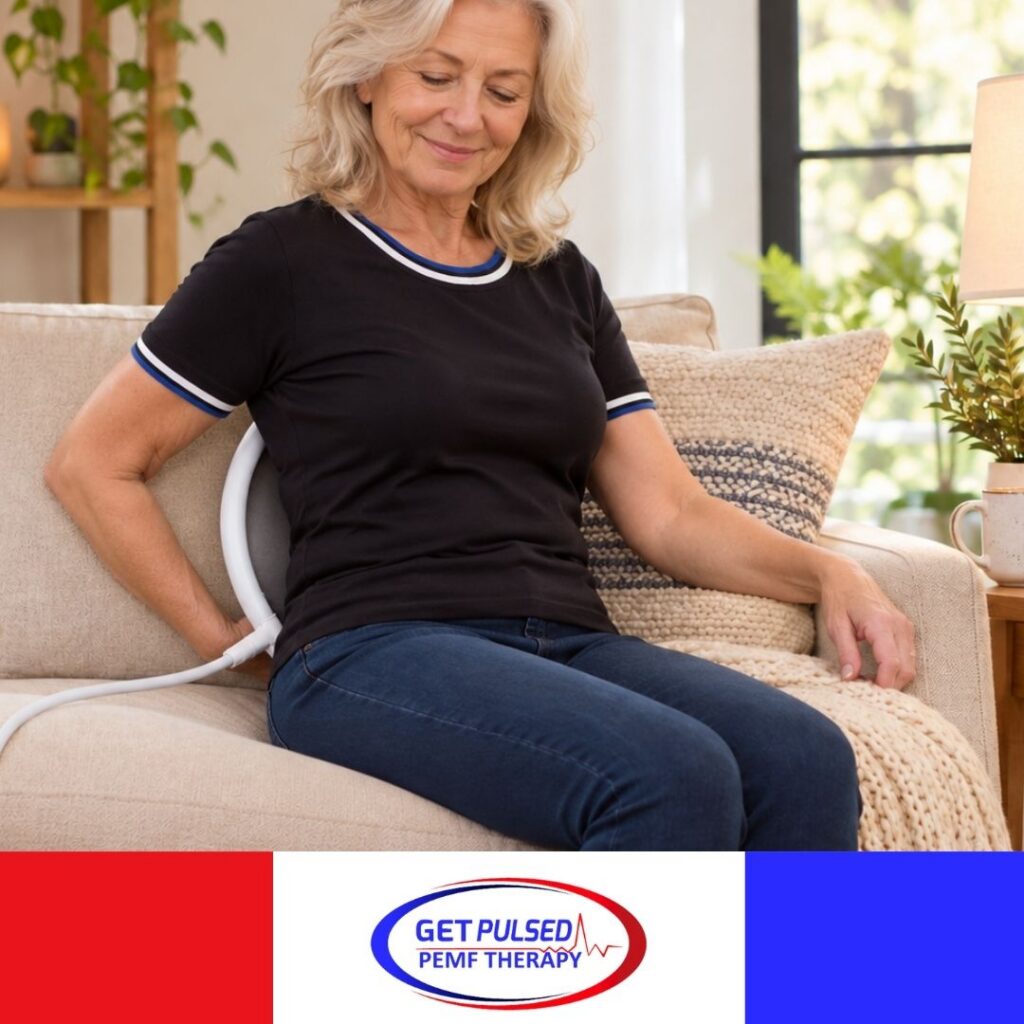
Because bodies are complex and our daily needs fluctuate, high-quality machines provide a variety of PEMF frequency settings. Devices offer different settings to support:
- Different applications: Tailoring the device to support morning vitality versus nighttime unwinding.
- Targeted use: Adjusting the energy to focus on specific areas of the body.
- Personal preferences: Allowing individuals to find the level of stimulation they find most supportive and comfortable.
- Adjustable programs: Providing flexibility so that the device can adapt as your wellness goals change over time.
Having adjustable settings ensures you get the most out of your system. For more guidance on evaluating features, read our guide on How to Choose the Best PEMF Device for Home Therapy.
Understanding PEMF Specifications Before Buying
Before purchasing a wellness tool, compare actual device specifications rather than relying on flashy marketing claims. Focus on PEMF frequency, Hz, gauss, and intensity so you can make an educated choice that fits your daily routine.
By understanding what these specifications actually mean, you can confidently evaluate different brands and find a system that aligns with your specific needs. To compare top models and their specifications, explore The 2026 PEMF Device Buying Guide.
Explore Get Pulsed PEMF Systems
Want to better understand which PEMF system may fit your wellness routine? Explore Get Pulsed PEMF devices to compare available configurations, applications, and device features. Whether you need flexible PEMF frequency settings or a user-friendly system for everyday well-being, Get Pulsed can help you elevate your wellness journey.
Frequently Asked Questions About PEMF Frequency and Intensity
What does Hz mean in PEMF?
Hz (hertz) measures the frequency of the electromagnetic pulses. It tells you exactly how many pulse cycles occur per second on your device.
What does gauss mean on a PEMF machine?
Gauss is a measurement of the magnetic field’s density and strength. It indicates how strong the magnetic field is when it leaves the applicator.
What is the difference between PEMF frequency and intensity?
Frequency is the speed or rate of the pulses (measured in Hz), while intensity is the physical strength or amplitude of the magnetic field itself (measured in gauss).
Is a higher PEMF frequency better?
No. A higher frequency only means the pulses are occurring faster. The ideal frequency depends entirely on your personal wellness goals and the intended application for that specific session.
Is stronger PEMF always better?
No, higher intensity does not guarantee better results. The effectiveness of a system depends on its design, your individual comfort level, and following the manufacturer’s recommendations for use.
Why do PEMF machines have different frequency settings?
Different settings provide flexibility. They allow users to adjust the machine for different applications, times of day, and personal preferences, ensuring a fully customized wellness experience.
